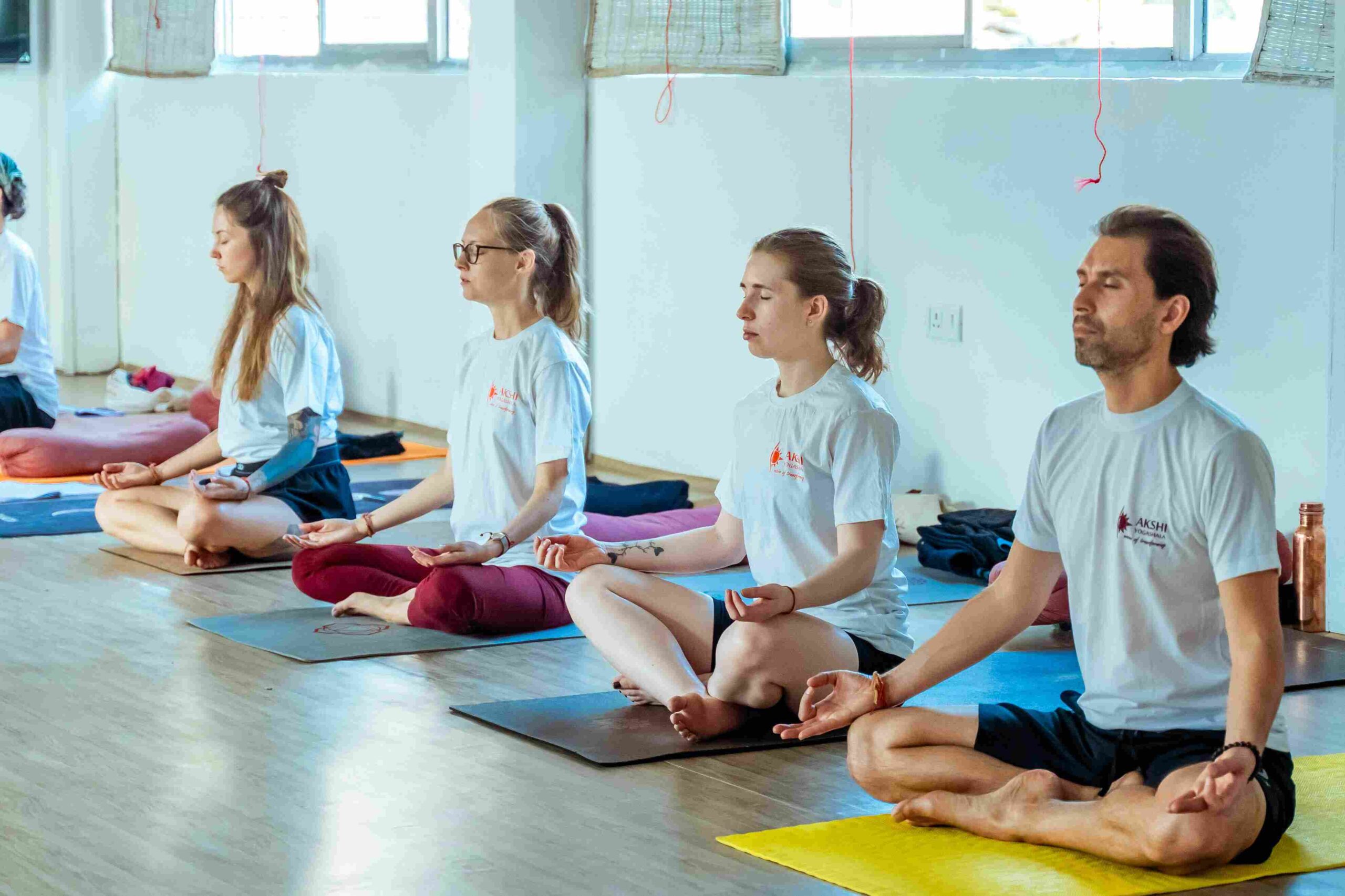
Quick Meditation Techniques for Busy People
In today’s fast-paced world, finding time to relax and recharge can feel impossible. Stress, constant notifications, and a packed schedule often leave people feeling mentally drained. Meditation is a powerful tool to reduce stress, increase focus, and improve overall well-being, but many assume it requires long hours of practice.

The good news is that even short meditation sessions can provide significant benefits. This guide explores quick meditation techniques for busy people that are easy to implement, require minimal time, and can fit seamlessly into your day.
Why Quick Meditation Is Important
Even a few minutes of meditation can:
- Reduce stress and anxiety by calming the mind
- Improve focus and mental clarity for daily tasks
- Boost emotional resilience during challenging moments
- Increase self-awareness and mindfulness
- Enhance productivity by helping you approach work with a calmer mindset
Quick meditation doesn’t need to be complicated. With practice, you can enjoy the benefits in just 5–10 minutes per session.
1. Deep Breathing Meditation
Deep breathing is one of the simplest and most effective meditation techniques.
How to Practice:
- Sit comfortably with your back straight.
- Close your eyes and take a slow, deep breath in through your nose.
- Hold your breath for a count of 3–5 seconds.
- Exhale slowly through your mouth.
- Repeat for 5–10 minutes, focusing only on your breath.
Benefits: Helps reduce stress, lowers heart rate, and improves oxygen flow to the brain.
2. Body Scan Meditation
This technique helps you connect with your body and release tension.
How to Practice:
- Sit or lie down in a comfortable position.
- Close your eyes and focus on your toes.
- Slowly move your attention upward, noticing sensations in each part of your body.
- Relax any areas that feel tense.
- Finish with your head and neck, taking deep breaths throughout.
Benefits: Reduces physical tension, promotes relaxation, and increases body awareness.
3. Mindfulness Meditation
Mindfulness meditation encourages you to stay present and aware of your thoughts without judgment.
How to Practice:
- Sit quietly and focus on your breath or a single object.
- Notice any thoughts that arise but don’t engage with them.
- Gently bring your attention back to your breath.
- Continue for 5–10 minutes.
Benefits: Improves focus, reduces anxiety, and enhances emotional regulation.
4. Guided Meditation
Guided meditation is helpful for beginners or busy individuals who want structure during practice.
How to Practice:
- Use meditation apps, audio recordings, or online videos.
- Follow the voice instructions, focusing on breathing and visualization.
- Practice for 5–15 minutes depending on your schedule.
Benefits: Provides clear guidance, reduces wandering thoughts, and is easy to incorporate into a busy routine.
5. Walking Meditation
For people who struggle to sit still, walking meditation allows you to combine movement with mindfulness.
How to Practice:
- Walk slowly in a quiet place.
- Focus on each step and the movement of your body.
- Breathe naturally and notice sensations like your feet touching the ground.
- Continue for 5–10 minutes.
Benefits: Improves focus, reduces stress, and adds gentle physical activity to your day.
6. Box Breathing Technique
Box breathing is a structured breathing exercise that helps calm the mind quickly and efficiently.
How to Practice:
- Inhale slowly for 4 counts.
- Hold your breath for 4 counts.
- Exhale for 4 counts.
- Hold again for 4 counts.
- Repeat for 5–10 minutes.
Benefits: Reduces stress, balances the nervous system, and improves concentration.
7. Gratitude Meditation
Focusing on gratitude can positively influence your mood and mental health.
How to Practice:
- Sit comfortably and close your eyes.
- Take a few deep breaths to center yourself.
- Reflect on 3–5 things you are grateful for.
- Visualize these positive aspects and feel appreciation.
- Repeat daily for 5–10 minutes.
Benefits: Increases happiness, reduces negative thoughts, and encourages a positive outlook.
Tips for Busy People to Meditate Daily
- Schedule short sessions: Even 5 minutes counts.
- Create a dedicated space: A quiet corner helps focus.
- Use reminders: Set phone alarms to prompt meditation breaks.
- Combine with daily routines: Meditate before breakfast, after lunch, or before bed.
- Be consistent: Daily practice builds long-term benefits.
Table: Quick Meditation Techniques Overview
| Technique | Duration | Key Benefit |
|---|---|---|
| Deep Breathing | 5–10 mins | Reduces stress & increases focus |
| Body Scan | 5–10 mins | Releases tension & improves awareness |
| Mindfulness | 5–10 mins | Enhances focus & emotional control |
| Guided Meditation | 5–15 mins | Provides structure & reduces wandering thoughts |
| Walking Meditation | 5–10 mins | Combines mindfulness & light activity |
| Box Breathing | 5–10 mins | Balances nervous system & reduces anxiety |
| Gratitude Meditation | 5–10 mins | Boosts mood & encourages positivity |
Benefits of Quick Meditation
- Reduces stress and anxiety quickly
- Improves focus and mental clarity
- Enhances emotional balance and resilience
- Fits easily into a busy schedule
- Promotes overall well-being and happiness
Read This Article: Quick Cleaning Hacks for a Tidy Home
Conclusion
Meditation doesn’t have to take hours to be effective. By incorporating quick and practical techniques like deep breathing, body scans, mindfulness, guided sessions, walking meditation, box breathing, and gratitude exercises, even the busiest individuals can experience significant benefits.
Consistent practice, even for just 5–10 minutes a day, can reduce stress, boost focus, enhance emotional well-being, and improve productivity. These simple meditation habits are easy to integrate into daily routines, helping you approach each day with clarity, calmness, and energy.
Frequently Asked Questions (FAQs)
Q1: How long should a quick meditation session last?
Even 5–10 minutes can provide significant benefits, especially for busy people who cannot dedicate longer periods to meditation.
Q2: Which meditation technique is best for beginners?
Deep breathing or guided meditation is ideal for beginners because they are simple, structured, and easy to follow.
Q3: Can I meditate while at work or on the go?
Yes. Techniques like box breathing, mindfulness, or gratitude meditation can be practiced almost anywhere, even at your desk or during a short break.
Q4: How often should I meditate to see benefits?
Daily practice, even in short bursts, is most effective. Consistency is more important than duration.
Q5: Do I need a quiet space to meditate?
A quiet space helps, but you can also meditate in busy or noisy environments by focusing on your breath or using guided meditation audio.
Q6: Can meditation reduce stress and improve focus?
Absolutely. Meditation helps calm the mind, manage emotions, and increase concentration, making it a powerful tool for productivity and mental health.
Q7: Is guided meditation better than silent meditation?
Both are effective. Guided meditation is helpful for beginners, while silent meditation may suit those with more experience or who prefer introspection.
Q8: Can I combine different meditation techniques?
Yes. Many people combine techniques, such as starting with deep breathing, followed by a short mindfulness or gratitude session, to maximize benefits.
Want to make every day more productive and stress-free? Discover more life hacks, morning routines, and practical tips by visiting Lisyt.online today!