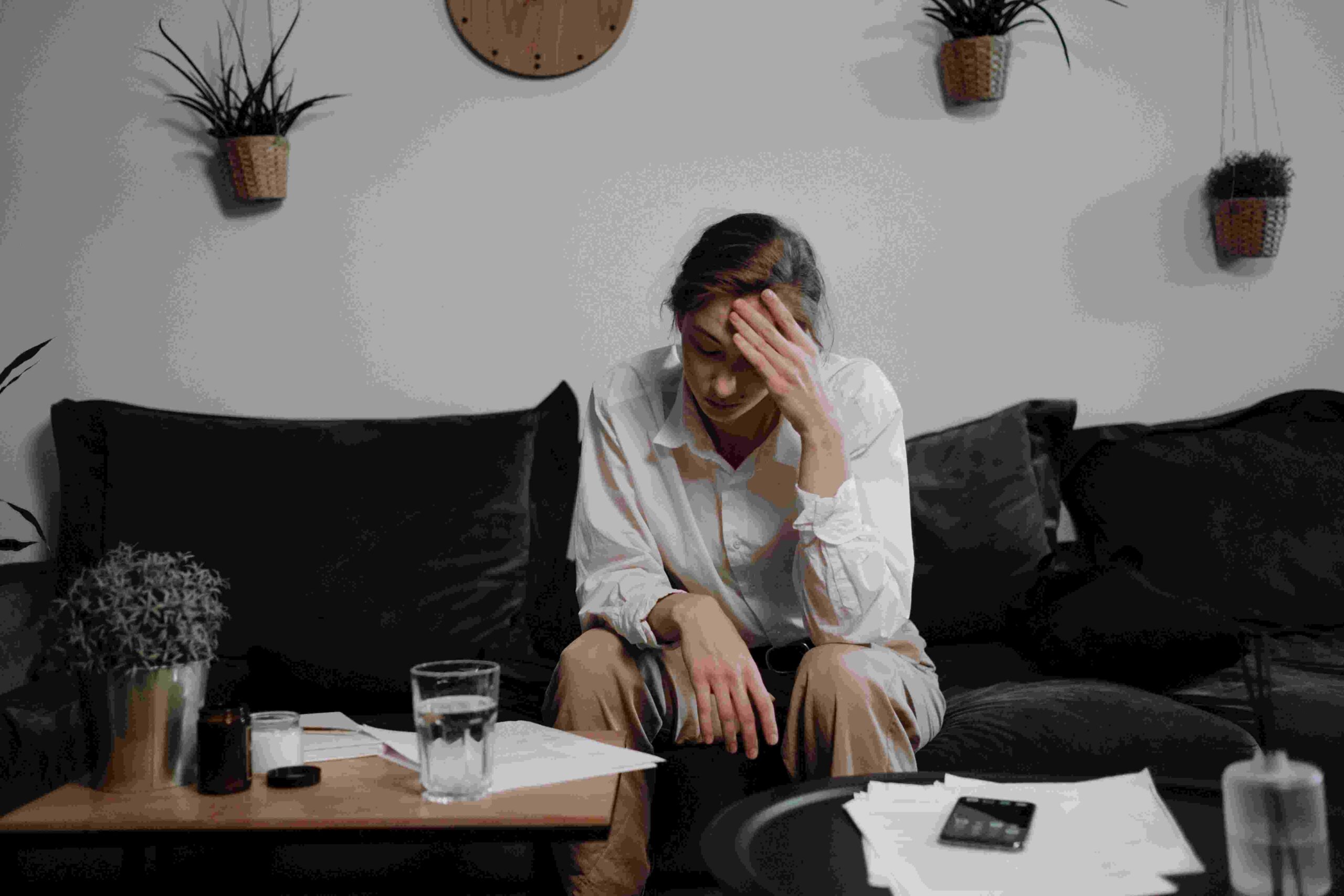
How to Reduce Daily Stress in 5 Minutes
Stress has become a common part of modern life. Busy schedules, work pressure, family responsibilities, and constant digital distractions often make people feel overwhelmed. While some stress is normal, too much stress can affect your health, productivity, and overall happiness.
The good news is that you don’t always need long vacations or complicated routines to manage stress. Sometimes, just five minutes of the right activity can calm your mind, improve your mood, and help you regain focus.

This guide explains simple and practical techniques that can help you reduce daily stress in only five minutes, making it easier to stay calm and productive throughout your day.
Understanding Daily Stress
Stress is the body’s natural reaction to challenges or pressure. When you face a difficult situation, your body releases stress hormones that prepare you to respond. While this response can be useful in emergencies, constant stress can create problems over time.
Common causes of daily stress include:
- Work deadlines and heavy workloads
- Financial worries
- Lack of sleep
- Personal or family responsibilities
- Too much screen time and digital overload
Learning quick stress relief techniques allows you to manage pressure before it becomes overwhelming.
Why Quick Stress Relief Matters
Many people ignore stress because they feel they are too busy to deal with it. However, short relaxation breaks can actually improve productivity and mental clarity.
Benefits of quick stress relief include:
- Improved focus and concentration
- Reduced anxiety and tension
- Better emotional balance
- Increased energy levels
- Improved decision-making
Taking just five minutes to relax your mind can help you return to your tasks with renewed energy.
Deep Breathing for Instant Relaxation
One of the fastest ways to reduce stress is through controlled breathing. Deep breathing signals your body to relax and slows down the stress response.
How to Practice Deep Breathing
- Sit comfortably with your back straight.
- Inhale slowly through your nose for four seconds.
- Hold your breath for four seconds.
- Exhale slowly through your mouth for four seconds.
- Repeat this cycle for about five minutes.
Benefits of Deep Breathing
- Lowers heart rate
- Reduces muscle tension
- Improves oxygen flow to the brain
- Promotes calmness and relaxation
This simple technique can be done anywhere, whether you are at work, at home, or traveling.
Take a Quick Mindful Break
Mindfulness is the practice of focusing your attention on the present moment without judgment. Even a short mindful break can help calm your mind.
Simple Mindfulness Exercise
- Close your eyes for a few moments.
- Focus on your breathing.
- Notice sounds, sensations, or thoughts without reacting to them.
- Gently bring your attention back to your breath.
Practicing mindfulness helps reduce mental clutter and allows your brain to relax.
Stretch Your Body
Physical tension is a common sign of stress. Sitting for long periods can cause tight muscles, headaches, and fatigue.
A few simple stretches can quickly release tension.
Quick Stretch Routine
- Roll your shoulders slowly in circles.
- Stretch your arms above your head.
- Gently stretch your neck from side to side.
- Stand up and stretch your back.
These movements increase blood flow and help relax your muscles.
Step Away From Your Screen
Constant screen exposure can increase mental fatigue and stress. A short break away from screens can refresh your mind.
What to Do During a Screen Break
- Look away from your device for a few minutes.
- Focus on objects in the distance.
- Walk around the room or outside.
- Drink a glass of water.
This quick pause gives your brain a chance to reset and reduces eye strain.
Practice Positive Thinking
Negative thoughts often increase stress levels. Replacing them with positive or realistic thoughts can quickly improve your mood.
Simple Positive Thinking Technique
Ask yourself these questions:
- Is this situation really as bad as it seems?
- What is one positive thing about today?
- What solution can I focus on instead of the problem?
Positive thinking helps shift your mindset from worry to action.
Listen to Relaxing Music
Music has a powerful effect on emotions. Listening to calm music for a few minutes can reduce stress and improve mood.
Tips for Using Music to Relax
- Choose slow, soothing music.
- Use headphones to block outside noise.
- Focus on the rhythm and melody.
Even a short music break can help your mind relax and regain balance.
Try a Quick Gratitude Practice
Gratitude is a powerful mental habit that helps reduce stress and improve emotional well-being.
Simple Gratitude Exercise
Take a moment to think about three things you are grateful for today. These could include:

- A supportive friend or family member
- Good health
- A small achievement or positive moment
Focusing on gratitude shifts attention away from stress and toward positive experiences.
Drink Water and Breathe Slowly
Dehydration can sometimes increase feelings of fatigue and irritability. Drinking water while taking slow breaths can help restore balance in your body.
Simple Hydration Routine
- Drink a glass of water slowly.
- Take deep breaths between sips.
- Sit quietly for a minute while your body relaxes.
This small habit can improve both physical and mental energy.
Summary of 5-Minute Stress Relief Techniques
| Technique | Time Needed | Main Benefit |
|---|---|---|
| Deep breathing | 5 minutes | Calms nervous system |
| Mindfulness break | 3–5 minutes | Improves mental clarity |
| Stretching | 2–5 minutes | Reduces muscle tension |
| Screen break | 3–5 minutes | Refreshes the mind |
| Positive thinking | 3 minutes | Reduces negative thoughts |
| Listening to music | 5 minutes | Improves mood |
| Gratitude practice | 2–3 minutes | Encourages positivity |
| Drinking water | 2 minutes | Restores energy |
Building a Daily Stress-Relief Habit
While each technique takes only a few minutes, the real benefits come from practicing them regularly. Making these habits part of your daily routine can improve both mental and physical well-being.
Here are a few ways to build the habit:
- Take short breaks between work sessions.
- Practice deep breathing in the morning or evening.
- Schedule small relaxation moments during the day.
- Use reminders to pause and relax.
Over time, these small actions can significantly reduce daily stress and help you maintain a healthier, more balanced lifestyle.
Read This Article: Simple Tips to Focus Better at Work
Conclusion
Reducing daily stress does not always require long breaks or major lifestyle changes. Simple actions such as deep breathing, short mindfulness exercises, stretching, taking screen breaks, listening to calming music, and practicing gratitude can help calm your mind in just a few minutes. These quick techniques allow you to pause, reset your thoughts, and regain control of your emotions during busy or challenging moments.
By making these 5-minute stress relief habits a regular part of your daily routine, you can improve your mental clarity, boost your energy, and maintain a healthier balance between work and personal life. Over time, these small but powerful practices can help you manage pressure more effectively and create a calmer, more productive day.
Frequently Asked Questions (FAQs)
Q1: Can stress really be reduced in just 5 minutes?
Yes. Short activities like deep breathing, stretching, or mindfulness can quickly calm your nervous system and reduce stress levels within a few minutes.
Q2: What is the fastest way to reduce stress during a busy day?
One of the fastest methods is deep breathing. Taking slow, controlled breaths helps relax your body and clear your mind almost instantly.
Q3: How often should I practice quick stress relief techniques?
You can practice these techniques multiple times a day, especially when you start feeling overwhelmed or mentally tired.
Q4: Can short breaks improve productivity?
Yes. Short breaks help refresh your mind, improve concentration, and allow you to return to your tasks with better focus and energy.
Q5: Does listening to music really help reduce stress?
Yes. Calm and relaxing music can lower stress levels, improve mood, and create a peaceful mental environment.
Q6: Is mindfulness difficult for beginners?
No. Mindfulness is very simple. It only requires paying attention to your breathing or the present moment without worrying about the past or future.
Q7: Can drinking water help reduce stress?
Yes. Staying hydrated supports your body’s functions and can reduce feelings of fatigue and irritability that often increase stress.
Q8: Are these techniques helpful for long-term stress management?
Yes. When practiced regularly, these quick techniques can build healthy habits that improve emotional balance and reduce daily stress over time.
Want to make every day more productive and stress-free? Discover more life hacks, morning routines, and practical tips by visiting Lisyt.online today!