Life Hacks to Save Money Without Cutting Essentials
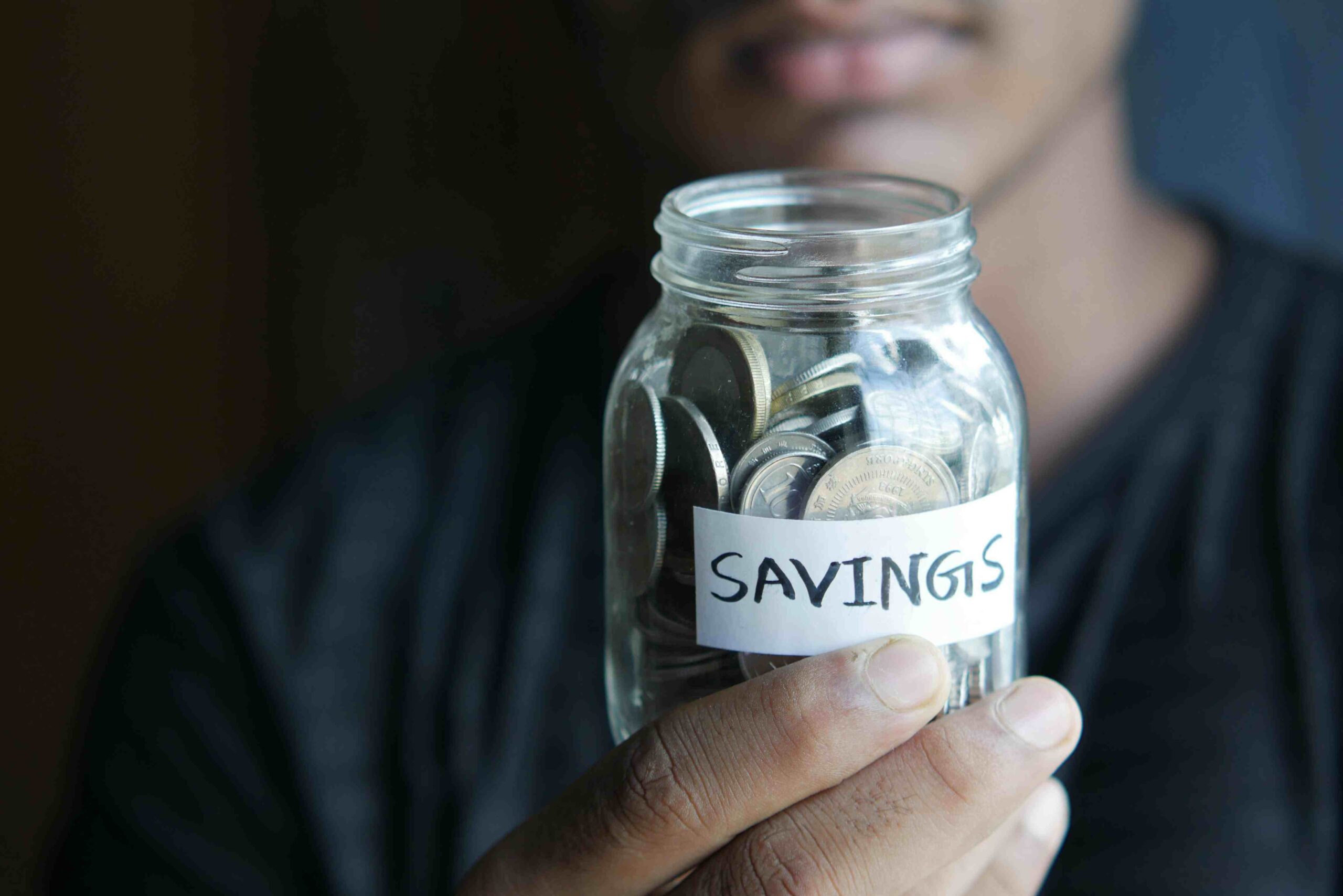
Saving money is often associated with sacrificing comfort or cutting important expenses. Many people believe that building savings requires giving up daily needs or living a restrictive lifestyle. However, the truth is that you can save money without cutting essentials by making smarter financial choices and improving everyday habits.
Simple life hacks can help you reduce unnecessary spending, manage your budget better, and make the most of your income. Instead of eliminating important expenses such as food, transportation, or health care, these strategies focus on optimizing spending and avoiding waste.
This guide explains practical and realistic ways to save money while maintaining your lifestyle and meeting your essential needs.
Understanding Smart Saving
Saving money does not always mean spending less on everything. Smart saving means spending wisely and avoiding unnecessary costs.
Essential expenses usually include:
- Housing and utilities
- Food and groceries
- Transportation
- Healthcare
- Education
- Basic household needs
The goal is to manage these expenses efficiently while reducing wasteful spending in other areas.
Benefits of smart saving include:
- Improved financial stability
- Reduced financial stress
- Ability to handle emergencies
- More opportunities for future investments
With the right habits, saving money becomes easier and more sustainable.
Track Your Spending First
Before improving your finances, it is important to understand where your money goes. Tracking your expenses helps identify areas where small changes can lead to significant savings.
Simple Expense Tracking Method
| Step | Action |
|---|---|
| Step 1 | Write down all daily expenses |
| Step 2 | Separate essentials from non-essential spending |
| Step 3 | Identify areas where money is wasted |
| Step 4 | Adjust spending habits gradually |
Tracking expenses creates awareness and helps you make better financial decisions.
Plan Your Monthly Budget
A clear budget allows you to control spending without sacrificing important needs.
Basic Budget Structure
| Category | Suggested Allocation |
|---|---|
| Essentials (housing, food, utilities) | 50–60% |
| Savings | 20% |
| Personal spending | 10–20% |
| Emergency fund | 10% |
A well-planned budget ensures that essential needs are covered while still allowing room for savings.
Buy Smart, Not Cheap
Saving money does not always mean buying the cheapest option. Sometimes cheaper products wear out quickly and cost more in the long run.
Smart Buying Tips
- Choose durable products with good reviews
- Compare prices before purchasing
- Look for seasonal sales or discounts
- Buy quality items that last longer
Smart purchases reduce the need for frequent replacements, saving money over time.
Cook More Meals at Home
Eating out regularly can significantly increase monthly expenses. Preparing meals at home is one of the most effective ways to save money without compromising nutrition.
Benefits of cooking at home:
- Lower food costs
- Healthier ingredients
- Better portion control
- Reduced food waste
Weekly Meal Planning Example
| Day | Meal Idea |
|---|---|
| Monday | Rice with vegetables |
| Tuesday | Grilled chicken salad |
| Wednesday | Pasta with homemade sauce |
| Thursday | Vegetable stir fry |
| Friday | Homemade sandwiches |
| Weekend | Family meal preparation |
Meal planning helps avoid unnecessary grocery spending.
Use Energy Efficient Habits
Utility bills can consume a large portion of household expenses. Simple energy-saving habits can lower monthly costs without affecting comfort.
Energy Saving Tips
- Turn off lights when leaving a room
- Use energy-efficient appliances
- Unplug devices that are not in use
- Use natural light during the day
- Adjust thermostat settings moderately
Small changes in energy usage can reduce electricity and utility bills significantly.
Avoid Impulse Buying
Impulse purchases often lead to unnecessary spending. Many items bought impulsively are rarely used.

The 24-Hour Rule
Before buying something non-essential:
- Wait 24 hours
- Ask yourself if you truly need the item
- Decide if it fits your budget
This simple habit prevents unnecessary spending and encourages thoughtful purchasing.
Use Discounts and Cashback Programs
Taking advantage of discounts, loyalty programs, and cashback offers can help reduce everyday expenses.
Examples include:
- Grocery store reward programs
- Cashback credit cards
- Seasonal sales
- Coupon apps
However, it is important to use discounts wisely and avoid buying items just because they are on sale.
Reduce Subscription Costs
Many people pay for subscriptions they rarely use, such as streaming services, apps, or memberships.
Subscription Review Checklist
| Subscription Type | Action |
|---|---|
| Streaming services | Keep only one or two |
| Mobile apps | Cancel unused ones |
| Gym memberships | Evaluate actual usage |
| Online tools | Choose affordable alternatives |
Regularly reviewing subscriptions can free up extra money every month.
Use Public Transportation When Possible
Transportation costs such as fuel, parking, and maintenance can add up quickly.
Alternative transportation options include:
- Public transportation
- Carpooling with colleagues
- Walking for short distances
- Cycling for nearby errands
These options help reduce daily transportation expenses.
Build an Emergency Fund
Unexpected expenses can disrupt your financial stability. Having an emergency fund prevents the need for borrowing money or using credit cards.
Emergency Fund Guidelines
| Savings Goal | Benefit |
|---|---|
| 1 month expenses | Basic financial safety |
| 3 months expenses | Strong protection |
| 6 months expenses | Long-term financial security |
Saving small amounts regularly can gradually build a reliable emergency fund.
Practice the Minimalist Lifestyle
Minimalism focuses on owning fewer but more meaningful items. This lifestyle encourages thoughtful consumption and reduces unnecessary purchases.
Minimalist habits include:
- Buying only what you truly need
- Avoiding clutter and excess items
- Choosing quality over quantity
- Reusing items when possible
Minimalism helps maintain financial balance and simplifies everyday life.
Summary of Money-Saving Life Hacks
| Life Hack | Main Benefit |
|---|---|
| Track expenses | Improves financial awareness |
| Plan a budget | Controls spending |
| Buy quality products | Saves long-term costs |
| Cook at home | Reduces food expenses |
| Save energy | Lowers utility bills |
| Avoid impulse buying | Prevents unnecessary spending |
| Use discounts wisely | Reduces everyday costs |
| Cancel unused subscriptions | Saves monthly money |
| Choose affordable transportation | Cuts travel expenses |
| Build an emergency fund | Provides financial security |
By applying these practical life hacks, anyone can improve their financial habits and save money without sacrificing essential needs. Small daily choices, consistent budgeting, and mindful spending create long-term financial stability and help build a more secure future.
Read This Article: Quick Break Techniques to Recharge Your Mind
Conclusion
Saving money does not mean giving up the things you truly need. By adopting smart habits such as tracking your expenses, planning a budget, cooking at home, avoiding impulse purchases, and using energy wisely, you can reduce unnecessary spending while still maintaining a comfortable lifestyle. These small adjustments help you control your finances without cutting essential expenses like food, housing, or transportation.
Over time, consistent money-saving habits can lead to stronger financial stability, less stress, and better preparation for future needs. By focusing on smart spending rather than strict limitations, you can gradually build savings while continuing to enjoy the essentials of everyday life.
Frequently Asked Questions (FAQs)
Q1: Is it possible to save money without reducing essential expenses?
Yes. By improving spending habits, avoiding waste, and making smarter purchasing decisions, you can save money while still covering essential needs.
Q2: What is the easiest way to start saving money?
The easiest way is to track your daily expenses and create a simple monthly budget. This helps identify unnecessary spending and areas where you can save.
Q3: How can cooking at home help save money?
Cooking at home reduces the cost of dining out and allows better control over ingredients and portions, making it both economical and healthier.
Q4: What is the 24-hour rule for spending?
The 24-hour rule means waiting one full day before buying non-essential items, which helps prevent impulse purchases.
Q5: How can I reduce my monthly bills without cutting comfort?
You can lower bills by using energy-efficient appliances, turning off unused devices, and managing electricity and water usage carefully.
Q6: Why is an emergency fund important?
An emergency fund helps cover unexpected expenses such as medical bills, repairs, or job loss, preventing financial stress.
Q7: Are discounts and cashback offers useful for saving money?
Yes, but they should be used wisely. Discounts and cashback programs can help reduce costs only when purchasing items you actually need.
Q8: Can small daily savings really make a difference?
Absolutely. Even small savings each day can grow over time and lead to significant financial improvement in the long run.
Want to make every day more productive and stress-free? Discover more life hacks, morning routines, and practical tips by visiting Lisyt.online today!