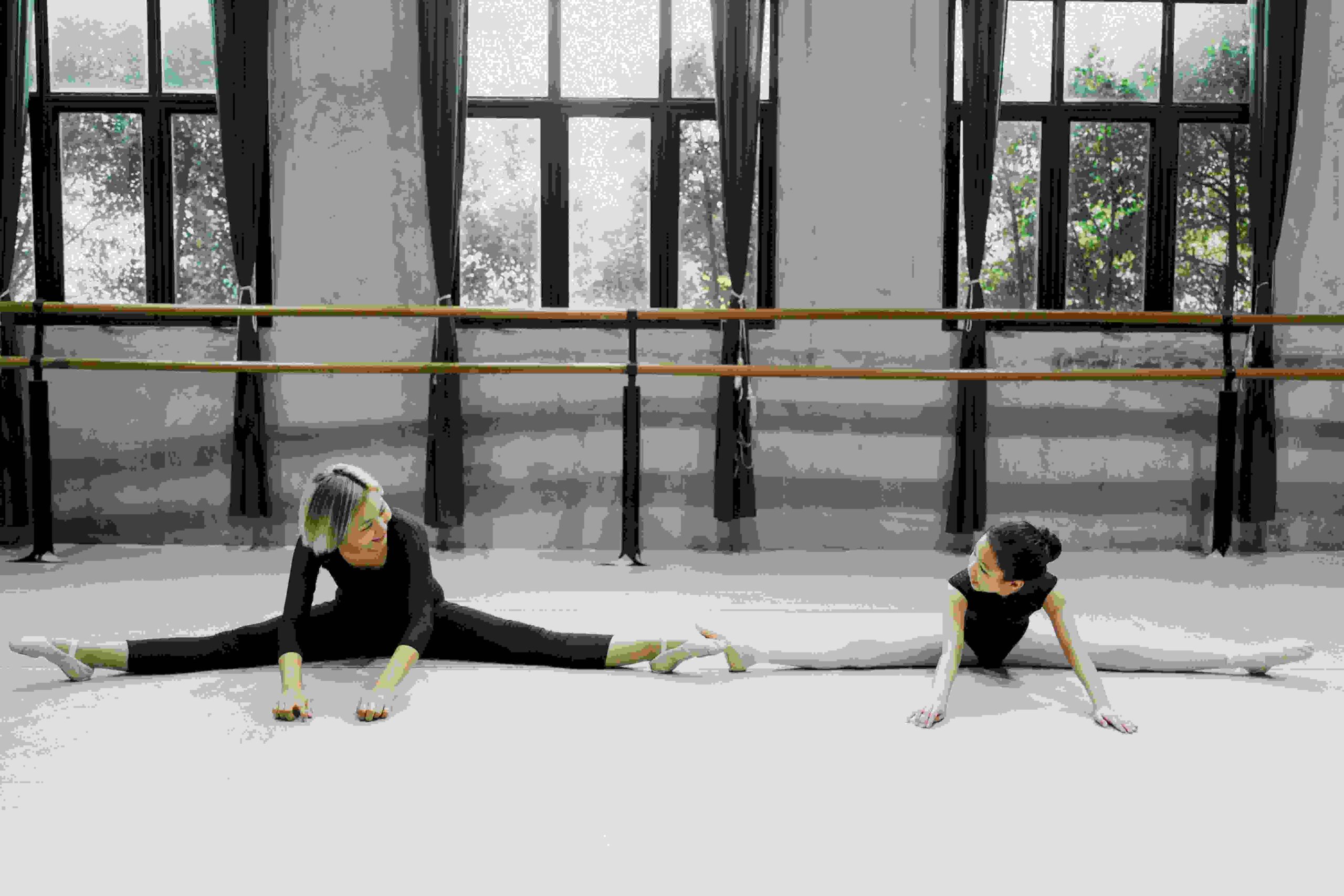
Simple Morning Stretch Exercises for Beginners
Starting your day with a few morning stretches can significantly improve your flexibility, boost energy, and prepare your body and mind for the day ahead. Stretching in the morning is particularly helpful for beginners as it gently wakes up the muscles, increases blood circulation, and reduces stiffness after sleep.

Even spending just 5–10 minutes on simple stretches can enhance posture, prevent injuries, and improve overall wellness. This guide provides easy-to-follow morning stretch exercises that anyone can do, no matter their fitness level.
Why Morning Stretches Are Important
Morning stretches are more than just a physical activity—they offer numerous benefits:
- Increases flexibility: Helps your muscles and joints move freely.
- Improves circulation: Boosts blood flow to muscles and organs.
- Reduces muscle stiffness: Especially after long periods of sleep.
- Boosts energy: Prepares your body for an active day.
- Enhances focus and mood: Stretching releases tension and encourages mindfulness.
Starting your day with stretching also helps establish a healthy morning routine that positively impacts both body and mind.
Preparing for Your Morning Stretches
Before beginning, follow these simple steps to get the most out of your stretching routine:
- Choose a comfortable space: A flat surface with enough room to move.
- Wear comfortable clothing: Loose-fitting clothes allow free movement.
- Start slowly: Gradually move into each stretch without forcing your muscles.
- Breathe deeply: Focus on slow, deep breaths to enhance relaxation and oxygen flow.
- Warm up lightly (optional): Gentle shoulder rolls or walking in place for a minute can help ease your body into stretching.
1. Neck Stretch
The neck is often tight after sleeping, especially if your pillow or sleeping position was uncomfortable.
How to do it:
- Sit or stand up straight.
- Slowly tilt your head to the right, bringing your ear toward your shoulder.
- Hold for 15–20 seconds and breathe deeply.
- Repeat on the left side.
- Gently turn your head left and right to release tension.
Benefits: Relieves neck stiffness, reduces tension headaches, and improves flexibility.
2. Shoulder Rolls
Shoulder rolls loosen up tight shoulders and upper back muscles.
How to do it:
- Stand or sit comfortably.
- Lift your shoulders up toward your ears, then roll them back and down in a circular motion.
- Perform 10–12 repetitions.
- Reverse the direction by rolling forward 10 times.
Benefits: Reduces upper body tension, improves posture, and increases circulation.
3. Arm and Side Stretch
Stretching your arms and sides lengthens muscles along your torso and improves spinal flexibility.
How to do it:
- Stand with feet hip-width apart.
- Raise your right arm above your head.
- Lean gently to the left side, keeping your body straight.
- Hold for 15–20 seconds, then switch sides.
Benefits: Relieves tension along the sides, improves flexibility, and opens the chest.
4. Cat-Cow Stretch (Spinal Flexibility)
This yoga-inspired stretch gently moves your spine and warms up back muscles.
How to do it:
- Start on your hands and knees, with wrists under shoulders and knees under hips.
- Inhale and arch your back (Cow Pose), lifting your chest and tailbone.
- Exhale and round your back (Cat Pose), tucking your chin and pelvis.
- Repeat 8–10 times slowly.
Benefits: Improves spinal mobility, reduces back stiffness, and enhances posture.
5. Hamstring Stretch
Tight hamstrings can cause lower back discomfort. This stretch helps release tension in your legs.
How to do it:
- Sit on the floor with your legs extended forward.
- Keep your back straight and reach toward your toes.
- Hold the stretch for 15–20 seconds without bouncing.
- Repeat 2–3 times.
Benefits: Increases flexibility in the legs, reduces lower back strain, and improves circulation.
6. Quadriceps Stretch
Stretching your quads helps loosen the front thigh muscles and improves mobility in the hips and knees.
How to do it:
- Stand near a wall or chair for support.
- Bend your right knee and bring your heel toward your glutes.
- Hold your ankle with your right hand and maintain balance.
- Hold for 15–20 seconds and repeat on the left leg.
Benefits: Improves leg flexibility, reduces risk of injury, and enhances overall mobility.
7. Forward Bend Stretch
Forward bends lengthen the spine and release tension in the back and hamstrings.
How to do it:
- Stand with feet hip-width apart.
- Slowly bend forward from your hips, letting your arms hang toward the floor.
- Keep knees slightly bent if necessary.
- Hold for 15–20 seconds and rise slowly.
Benefits: Reduces back stiffness, stretches the hamstrings, and promotes relaxation.
8. Wrist and Finger Stretch
Wrist stretches are especially helpful for people who work on computers all day.
How to do it:
- Extend one arm in front of you with palm facing up.
- Use your other hand to gently pull back your fingers toward your body.
- Hold for 10–15 seconds and switch hands.
- Repeat with the palm facing down for a complete wrist stretch.
Benefits: Reduces hand and wrist tension, prevents strain from typing, and increases flexibility.
9. Ankle Circles
Ankle mobility is often overlooked but important for balance and joint health.

How to do it:
- Sit or stand comfortably.
- Lift one foot slightly off the ground.
- Rotate your ankle slowly in a circular motion 10 times clockwise and 10 times counterclockwise.
- Repeat with the other ankle.
Benefits: Improves ankle flexibility, promotes circulation, and supports balance.
10. Full Body Stretch
Ending your morning stretch routine with a full body stretch helps wake up all muscles and prepares your body for the day.
How to do it:
- Stand tall with feet hip-width apart.
- Extend arms above your head and interlace your fingers.
- Stretch upward while taking a deep breath.
- Hold for 10–15 seconds, then release slowly.
Benefits: Enhances energy, improves posture, and leaves you feeling refreshed and ready for the day.
Tips for a Successful Morning Stretch Routine
- Stretch daily, even for 5–10 minutes, to build a consistent habit.
- Move slowly and avoid bouncing to prevent injury.
- Focus on your breathing during each stretch.
- Wear comfortable clothing that allows free movement.
- Listen to your body—stretch only as far as comfortable.
Quick Morning Stretch Overview Table
| Stretch | Duration | Key Benefit |
|---|---|---|
| Neck Stretch | 15–20 sec each side | Relieves stiffness |
| Shoulder Rolls | 10–12 reps | Reduces tension |
| Arm & Side Stretch | 15–20 sec each side | Opens chest & sides |
| Cat-Cow Stretch | 8–10 reps | Spinal flexibility |
| Hamstring Stretch | 15–20 sec | Leg flexibility |
| Quadriceps Stretch | 15–20 sec each leg | Hip & knee mobility |
| Forward Bend | 15–20 sec | Back & hamstring release |
| Wrist & Finger Stretch | 10–15 sec each hand | Reduces hand strain |
| Ankle Circles | 10 reps each direction | Ankle flexibility |
| Full Body Stretch | 10–15 sec | Energizes body |
Starting your day with these simple morning stretches can help you feel more awake, reduce muscle stiffness, improve posture, and prepare your body and mind for the day ahead. Over time, a consistent stretching routine promotes flexibility, reduces the risk of injuries, and encourages a healthier lifestyle.
Read This Article: How to Reduce Daily Stress in 5 Minutes
Conclusion
Incorporating simple morning stretches into your daily routine is an effective way to wake up your body, reduce stiffness, and boost energy. These beginner-friendly exercises, from neck stretches to full-body stretches, help improve flexibility, increase circulation, and prepare both your mind and muscles for the day ahead.
Even spending just 5–10 minutes each morning can make a noticeable difference in posture, mobility, and overall well-being. By practicing these stretches consistently, you can develop a healthy habit that supports long-term physical health, reduces tension, and leaves you feeling refreshed, energized, and ready to take on the day.
Frequently Asked Questions (FAQs)
Q1: How long should a morning stretch routine take for beginners?
A beginner’s morning stretch routine can take 5–10 minutes, enough to wake up the body and loosen stiff muscles.
Q2: Can stretching in the morning help with energy levels?
Yes. Morning stretches increase blood flow, reduce stiffness, and energize the body, helping you feel more awake and alert.
Q3: Do I need special equipment for these stretches?
No. All the stretches listed can be done without any equipment, using just your body and a small space.
Q4: How often should I perform morning stretches?
Daily stretching is ideal. Even a short routine every morning helps improve flexibility and overall well-being over time.
Q5: Can morning stretches prevent injuries?
Yes. Regular stretching increases flexibility and joint mobility, reducing the risk of strains or injuries during daily activities.
Q6: What if a stretch feels uncomfortable?
Stretch only to the point of gentle tension, not pain. Move slowly and listen to your body to avoid injury.
Q7: Are morning stretches suitable for all ages?
Yes. These beginner-friendly stretches are suitable for all ages and fitness levels, with modifications if needed.
Q8: Can stretching improve posture?
Absolutely. Stretching loosens tight muscles and strengthens posture-supporting muscles, helping you stand and sit more upright.
Want to make every day more productive and stress-free? Discover more life hacks, morning routines, and practical tips by visiting Lisyt.online today!