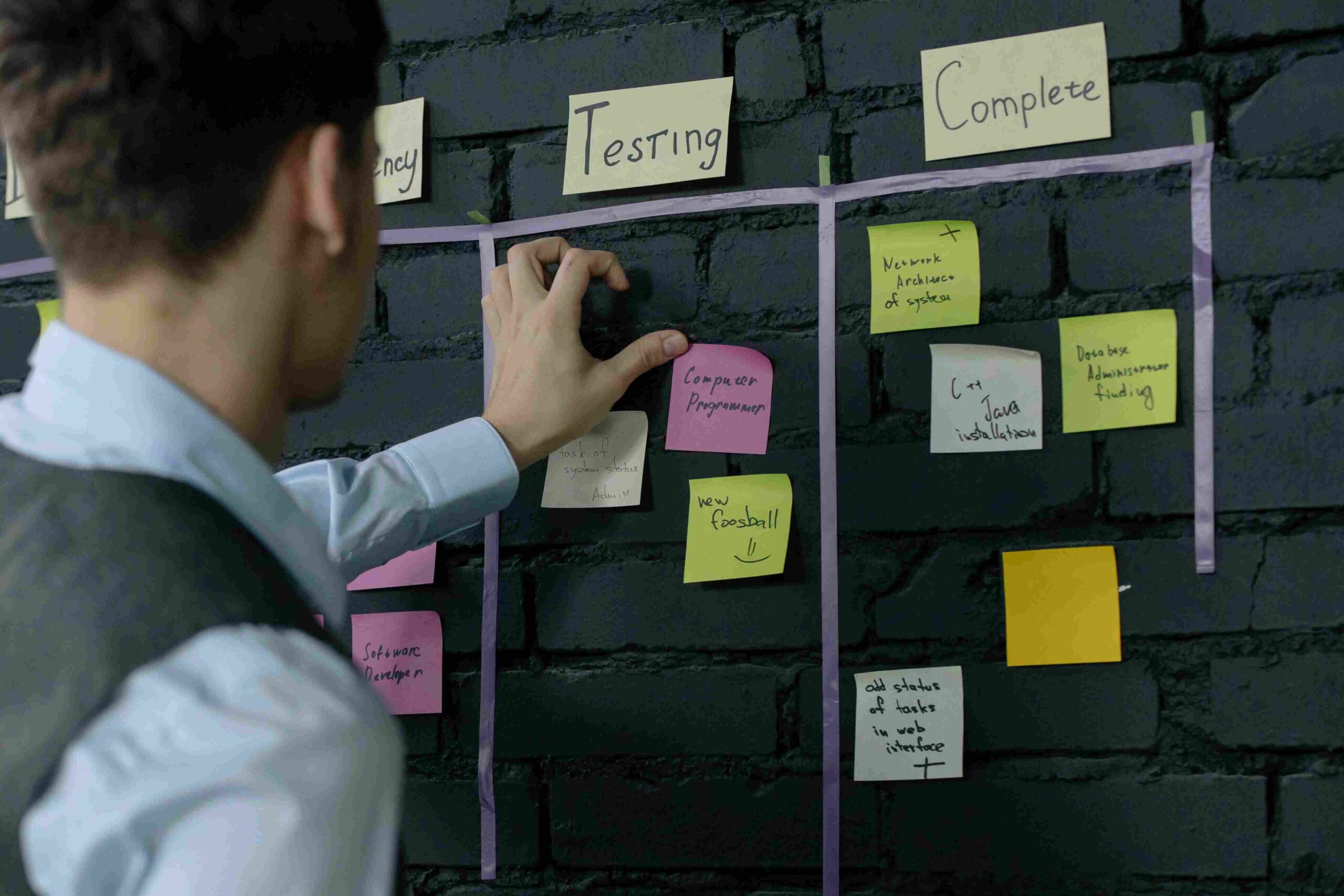
How to Prioritize Tasks for Maximum Efficiency
In today’s busy world, managing tasks effectively is crucial for productivity. Without proper prioritization, important responsibilities can get delayed, deadlines missed, and stress levels increase. Learning to prioritize tasks efficiently helps you focus on what truly matters, complete more in less time, and maintain a balanced workflow.
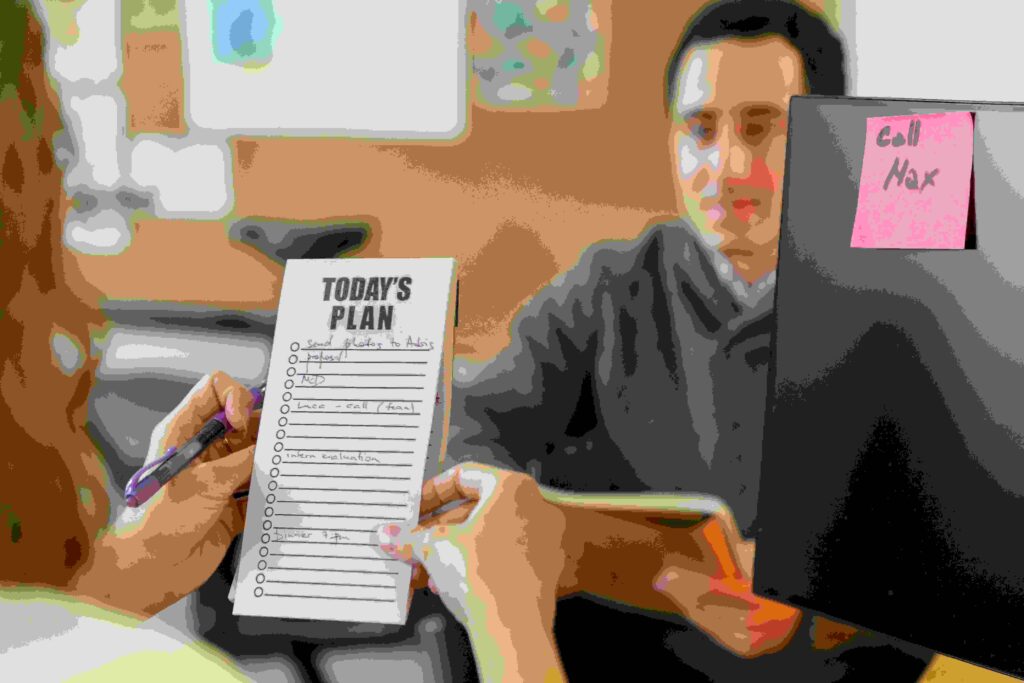
This guide explores practical strategies, techniques, and tools to organize and prioritize tasks for maximum efficiency, making daily work more structured and manageable.
Why Task Prioritization Is Important
Prioritizing tasks is not just about creating a to-do list—it’s about deciding what to do first based on urgency and importance. Effective prioritization:
- Increases productivity by focusing on high-value tasks
- Reduces stress by creating a clear plan of action
- Prevents procrastination on important projects
- Improves decision-making and time management
- Helps maintain a work-life balance by allocating time wisely
Without prioritization, you may spend hours on low-impact tasks while critical work gets delayed.
Step 1: Make a Complete Task List
Start by writing down every task you need to accomplish:
- Include daily, weekly, and long-term tasks
- Break large projects into smaller, actionable steps
- Note deadlines for each task
A complete list gives a clear overview of all responsibilities and is the foundation for effective prioritization.
Step 2: Categorize Tasks by Importance and Urgency
Use the Eisenhower Matrix to categorize tasks into four quadrants:
- Important & Urgent – Tasks that must be done immediately (e.g., deadlines, emergencies)
- Important & Not Urgent – Tasks that matter long-term but aren’t immediate (e.g., skill development, planning)
- Not Important & Urgent – Tasks that require attention but could be delegated (e.g., routine emails, minor requests)
- Not Important & Not Urgent – Low-value tasks that can be postponed or eliminated (e.g., unnecessary browsing, trivial chores)
Benefits: Categorizing tasks helps focus energy on high-impact work while reducing time wasted on low-priority items.
Step 3: Identify Top 3 Priorities
Once tasks are categorized, select 3 main tasks for the day that will have the most significant impact.
Tips for selecting top priorities:
- Ask, “Which tasks will move my goals forward the most?”
- Focus on high-value tasks first thing in the morning when energy is highest
- Avoid overloading yourself with too many priorities
Benefit: Focusing on a few key tasks ensures progress without feeling overwhelmed.
Step 4: Set Deadlines and Time Blocks
Assign deadlines and specific time blocks for each task:
- Use time blocking to allocate uninterrupted periods for focused work
- Set realistic deadlines to avoid stress
- Include buffer time for unexpected tasks or delays
Benefit: Structured timing increases efficiency and reduces procrastination.
Step 5: Use Task Management Tools
Leverage technology to track and manage tasks efficiently:

- Todoist – Create tasks, subtasks, and priorities
- Trello – Organize projects visually with boards and lists
- Notion – Track tasks, projects, and deadlines in one platform
- Google Calendar – Schedule tasks and reminders for deadlines
Benefit: Digital tools keep your tasks organized, remind you of priorities, and allow you to track progress easily.
Step 6: Delegate and Say No
Not all tasks require your direct attention. Delegation is essential for efficiency:
- Assign tasks that others can handle competently
- Learn to say no to low-priority requests or distractions
- Focus on tasks that only you can do
Benefit: Frees up time for high-priority tasks and reduces mental overload.
Step 7: Review and Adjust Daily
At the end of each day:
- Review completed tasks and pending items
- Adjust priorities for the next day based on changes or deadlines
- Reflect on what worked well and what can be improved
Benefit: Daily review ensures consistent progress and helps refine your prioritization strategy.
Step 8: Avoid Multitasking
Focusing on multiple tasks simultaneously can reduce efficiency and increase errors.
- Prioritize one task at a time based on your list
- Use techniques like the Pomodoro Method to work in focused intervals
- Avoid distractions like phone notifications or unnecessary meetings during top-priority work
Benefit: Single-tasking improves concentration, reduces mistakes, and speeds up task completion.
Table: Task Prioritization Steps Overview
| Step | Action | Key Benefit |
|---|---|---|
| Make Task List | Write all tasks | Clear overview of responsibilities |
| Categorize Tasks | Use Eisenhower Matrix | Focus on high-value tasks |
| Identify Top 3 | Pick daily priorities | Avoid overwhelm, ensure progress |
| Set Deadlines & Time Blocks | Allocate focused time | Boost efficiency, reduce procrastination |
| Use Task Tools | Todoist, Trello, Notion | Track tasks, organize workflow |
| Delegate & Say No | Assign tasks & reject low-priority work | Save time for important tasks |
| Daily Review | Reflect & adjust priorities | Maintain consistent progress |
| Avoid Multitasking | Focus on one task at a time | Improve quality & speed of work |
Benefits of Prioritizing Tasks
- Improved productivity: Focus on tasks that truly matter
- Reduced stress: Clear plan reduces overwhelm
- Better time management: Allocate energy to high-impact work
- Enhanced decision-making: Know what requires immediate attention
- Greater goal achievement: Consistent focus moves long-term goals forward
Read This Article: Quick Meditation Techniques for Busy People
Conclusion
Prioritizing tasks effectively is the key to maximizing efficiency and achieving your goals. By creating a complete task list, categorizing tasks by importance and urgency, focusing on top priorities, setting deadlines, using task management tools, delegating, reviewing daily, and avoiding multitasking, you can take control of your workflow and make meaningful progress each day.
Consistent prioritization not only boosts productivity but also reduces stress, improves time management, and ensures that you focus on the tasks that truly matter. Incorporating these strategies into your daily routine helps transform a busy, chaotic schedule into a structured, efficient, and goal-oriented workflow.
Conclusion
Prioritizing tasks effectively is the key to maximizing efficiency and achieving your goals. By creating a complete task list, categorizing tasks by importance and urgency, focusing on top priorities, setting deadlines, using task management tools, delegating, reviewing daily, and avoiding multitasking, you can take control of your workflow and make meaningful progress each day.
Consistent prioritization not only boosts productivity but also reduces stress, improves time management, and ensures that you focus on the tasks that truly matter. Incorporating these strategies into your daily routine helps transform a busy, chaotic schedule into a structured, efficient, and goal-oriented workflow.
Want to make every day more productive and stress-free? Discover more life hacks, morning routines, and practical tips by visiting Lisyt.online today!